

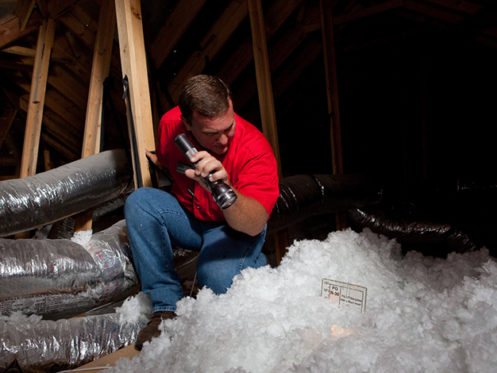
The temperature inside your South Central, TX attic can reach 130 to 150 degrees Fahrenheit during average peak summer heat. This extreme heat directly impacts the efficiency and workload of your air conditioning system. Understanding how attic heat affects your AC can help you make smart improvements that can help reduce cooling costs and improve overall comfort.
Why Attic Temperatures Spike in Texas Summers
Attic temperatures soar in summer due to direct sun exposure, roofing materials, and limited airflow. In Texas, asphalt shingles and other roofing materials absorb and hold heat throughout the day, often pushing attic temperatures far above the outdoor air temperature. Long daylight hours and intense sun exposure give that heat more time to build and linger.
Homes with insufficient ridge vents, soffit vents, or blocked ventilation pathways can trap this heat inside the attic. Compressed, aging, or poorly installed insulation can further contribute to rising temperatures by allowing more heat to transfer into the attic space.
Impact on AC Performance
Heat buildup in the attic does not stay contained. It radiates downward through ceilings and can affect ductwork located above your living space. As attic temperatures rise, your AC system must work harder and run longer cycles to maintain the thermostat setting. This increased workload can lead to higher energy bills, uneven cooling, and added wear on system components.
Over time, excessive strain can shorten the lifespan of your equipment and increase the likelihood of breakdowns during the hottest part of the year.
Improve Attic Insulation
Upgrading attic insulation is one of the most effective ways to reduce heat transfer into your home. Many older Texas homes have insufficient insulation levels or uneven coverage. Without a strong thermal barrier, heat from the attic can pass into ceilings and living areas, forcing your cooling system to compensate.
Common warning signs of insulation issues include upstairs rooms that are consistently warmer, ceilings that feel hot to the touch, and an AC system that runs frequently throughout the day. Modern insulation options such as blown-in fiberglass, cellulose, or spray foam can help slow heat transfer and stabilize indoor temperatures. Sealing air leaks around attic access points, recessed lighting, and duct penetrations further improves performance.
Improve Attic Ventilation to Release Trapped Heat
Proper attic ventilation plays a critical role in limiting extreme heat buildup. Without adequate exhaust and intake airflow, hot air becomes trapped and continues to radiate downward. Poor ventilation can also contribute to moisture accumulation, which may damage insulation and structural materials over time.
An effective ventilation system promotes continuous airflow. Soffit vents allow cooler outside air to enter near the roofline, while ridge, gable, or roof vents allow hot air to escape from the highest point. In some homes, powered or solar attic fans may help increase airflow during peak heat. Well-balanced ventilation can significantly reduce attic temperatures and ease the cooling load on your AC system.
AC Performance and Attic Ductwork
If your ductwork runs through an unconditioned attic, it is directly exposed to extreme temperatures. As cooled air travels through hot attic space, heat can transfer through poorly insulated ducts. Leaks, loose connections, or damaged duct insulation can allow conditioned air to escape before it reaches your rooms.
Professional duct inspections can identify disconnected sections, crushed ducts, failing seals, and insulation gaps. Sealing and insulating ductwork helps keep cooled air at the proper temperature, improves airflow, and reduces unnecessary strain on your AC system.
Contact Your Local Air Conditioning Experts
At GVEC Air Conditioning & Heating, we have been serving residents of South Central Texas since 1968. We install, repair, and maintain cooling systems and can also assist with attic insulation and ductwork improvements. Contact us today to schedule an appointment with one of our experienced professionals.